English
Subject Leaders - Mrs Flora Sanders and Mrs Hannah Legg
Link Governor - Ms Helen Milbourn
Curriculum Intent
"The more that you read, the more things you will know. The more that you learn, the more places you'll go." Dr Seuss
Reading, writing and oracy are central to the curriculum at St John's Catholic Primary School. The aim of our curriculum is to provide an engaging learning experience throughout the school, so that all children are able to read, write and speak fluently, expressing their ideas and feelings clearly to others. We endeavour to provide a curriculum that is broad, varied and engaging, offering experiences through quality texts, drama, trips, author visits, role-play and discussion.
You can click here to read the full English intent statement.
Curriculum Implementation
Reading is at the heart of the English curriculum here at St John's. Texts are chosen to reflect our school's identity and ethos, and also that of the wider community and world. Each class, from Years 1 to 6, has a daily English lesson, which will include opportunities for reading, writing, and speaking and listening. Lessons incorporate whole-class teaching, group activities and individual learning. These sessions are planned carefully by teachers using high quality texts throughout the school that reflect our school values, our ethos and our cultural diversity. Lessons are engaging and are differentiated to ensure all children are included. Punctuation and grammar is taught weekly and skills are revisited frequently to ensure they are fully embedded. The phonics and spelling scheme Little Wandle is used to support learning in EYFS and KS1, whilst Grammarsaurus is used to support spelling and grammar in KS2. EYFS and Year 1 are taught non-cursive letter formation inline with our handwriting programme and from Year 2 onwards, all children are taught cursive writing. The scheme Letter Join is used to support handwriting across the school.
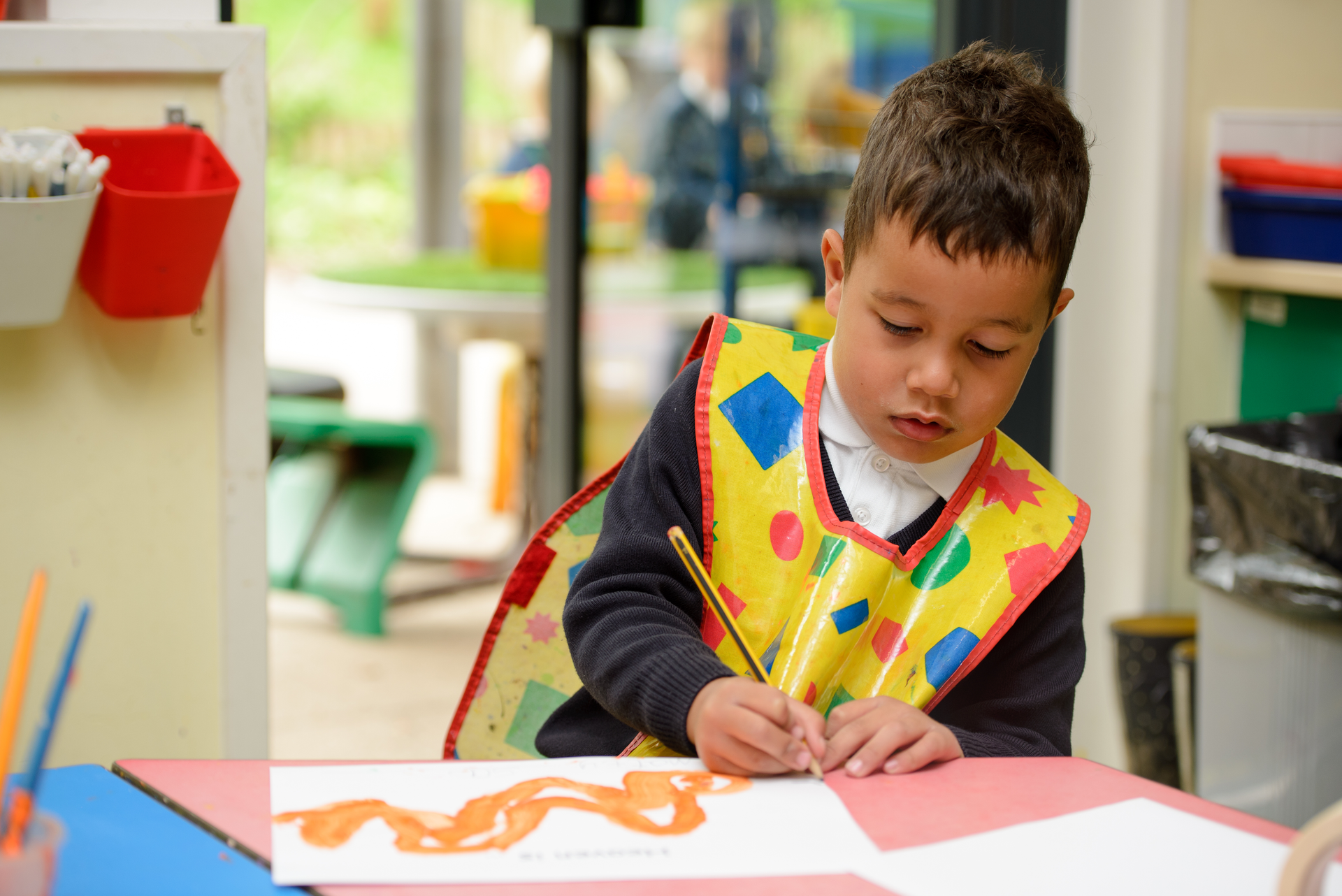
The use of high quality texts to engage children is also key in EYFS, where teachers plan focused sessions of guided writing, supported writing and guided reading each week. In addition, the children have access to Literacy activities as part of continuous provision throughout the day.
All children are given home reading books, in EYFS and KS1 these are Big Cat Little Wandle books that are aligned to the child's phonic level. As they progress with their comprehension skills, children have access to a wider range of texts to promote reading for pleasure alongside continuing to develop their reading skills. Children are encouraged to choose from stories, poems and non-fiction texts to ensure a range of genres are explored. Children are taught reading skills in class as part of guided reading sessions several times a week and in EYFS and KS1, these books are sent home to support the children achieve 90% accuracy and to build fluency.
All children are encouraged to read for pleasure and this is promoted through daily story sessions led by the teacher and weekly visits to the library. During weekly library sessions, children are encouraged to choose their own library book to take home and have the opportunity to listen to new and diverse books read by our trained librarian.
Oracy is a fundamental life skill and one that is developed, shared and celebrated at St John's. Through a 3 year training programme with Voice21, we are working to ensure every student is heard, valued and equipped with the oracy skills to succeed in school and beyond.
Phonics and Spelling
Children in Reception and Year 1 have daily phonics lessons, using Little Wandle Letters and Sounds Revised, a complete systematic synthetic phonics program (SSP). Click on the for parents tab on the Little Wandle website to access useful information about phonics and reading. In Year 2 children have a daily spelling lesson based on Little Wandle Bridge the Gap. In Years 3 to 6, children have regular weekly spelling lessons using the Grammarsaurus programme.
Reading Vipers
We use the VIPERS reading method in guided reading. It is a way for teachers to ask and children to become familiar with comprehension questions and skills. VIPERS is an acronym which highlight the 6 areas of reading comprehension.
VIPERS stands for
Vocabulary
Inference
Prediction
Explanation
Retrieval
Sequence or Summarise
Knowledge Planners
Knowledge planners by age group can be found below:
Year 1 Writing:
Year 1 Reading:
Year 2 Writing:
Year 2 Reading:
Year 3 and 4 Writing:
Year 3 and 4 Reading:
Year 5 and 6 Writing:
Year 5 and 6 Reading:
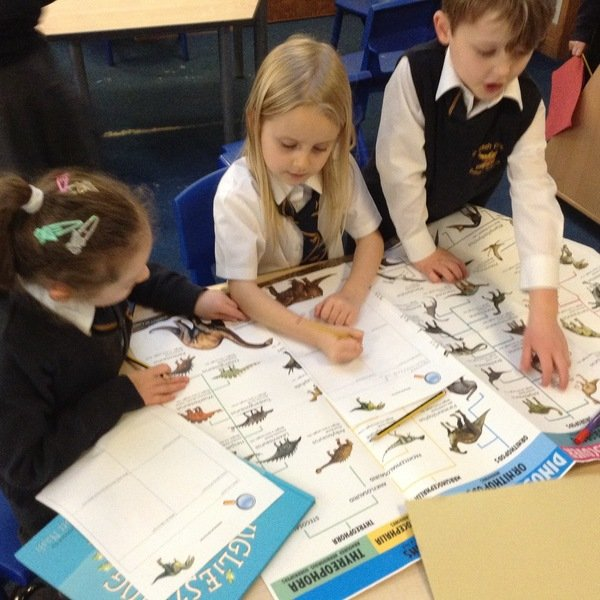
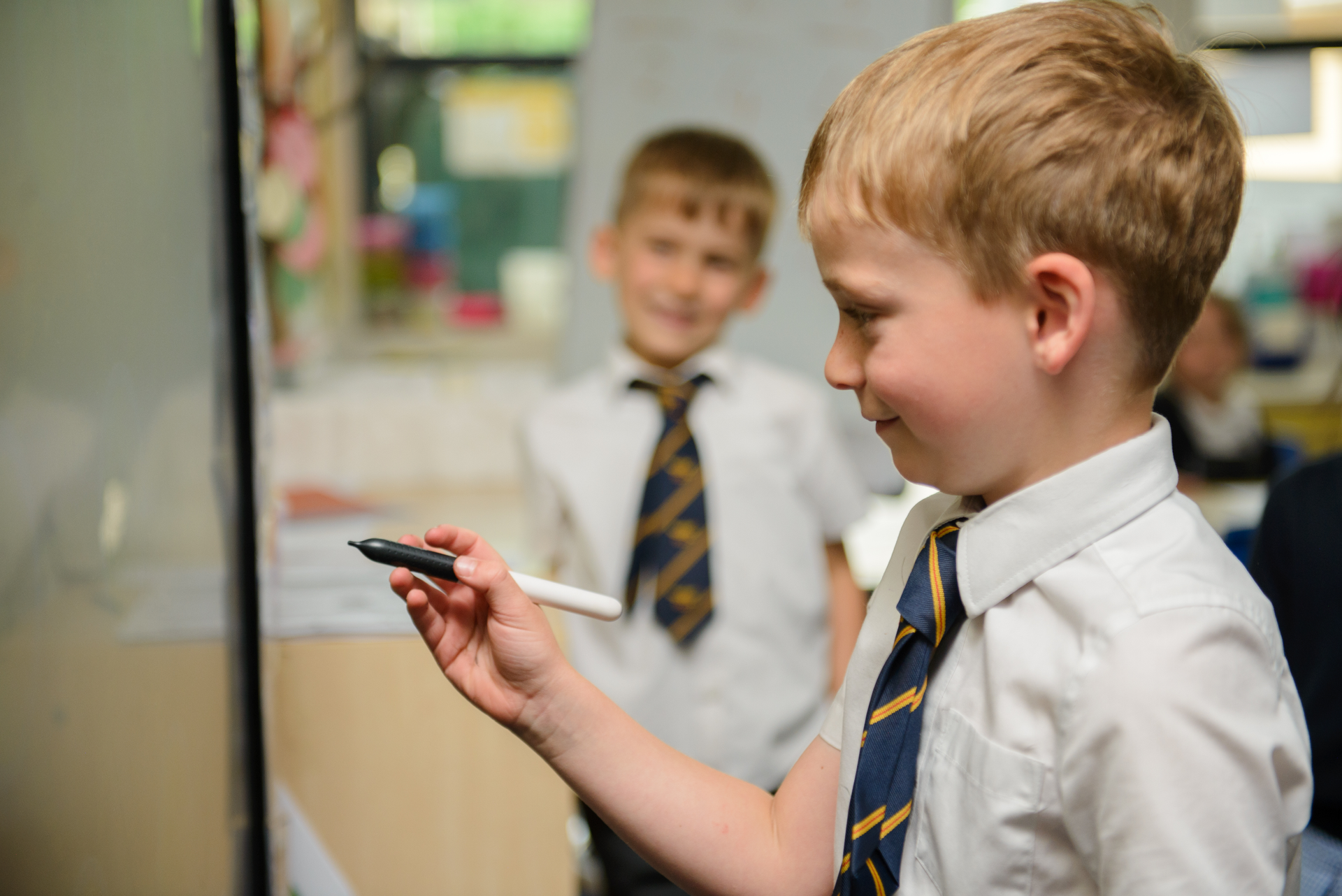
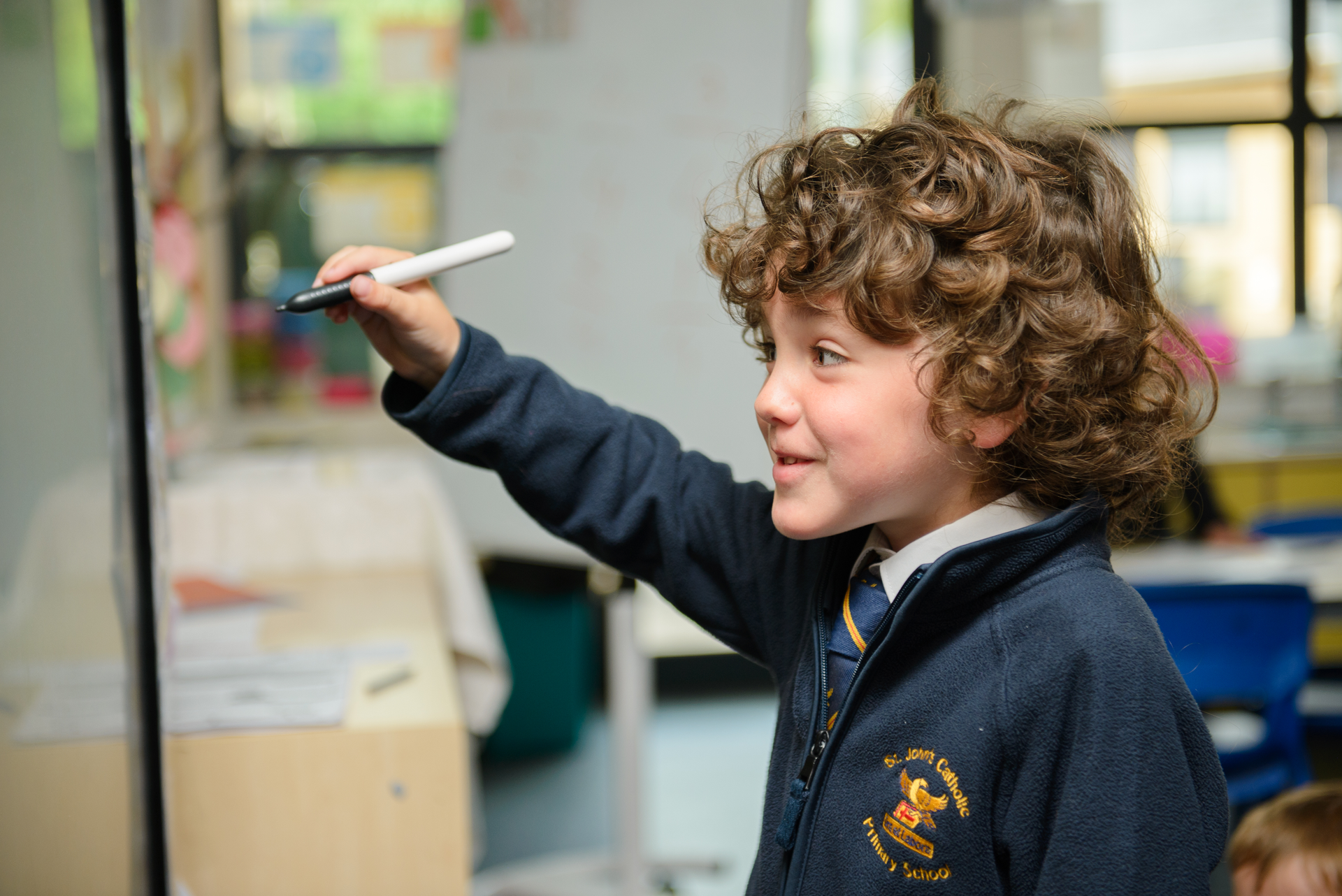
Exploring non-fiction texts as part of our dinosaur day.
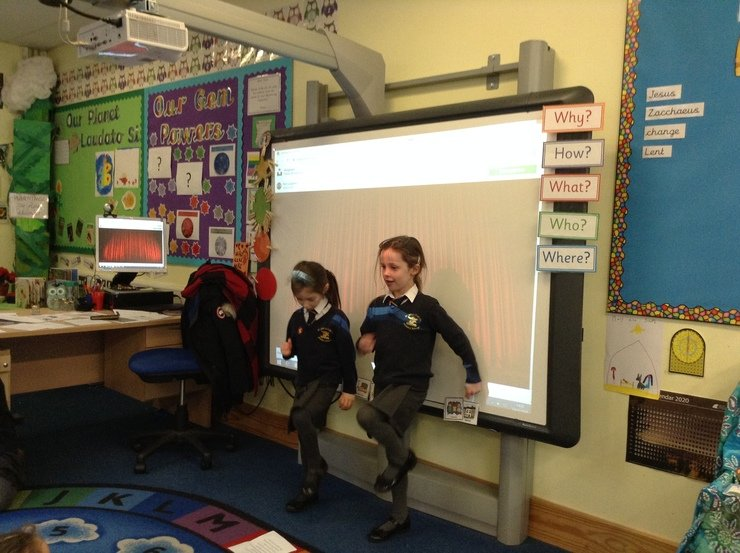
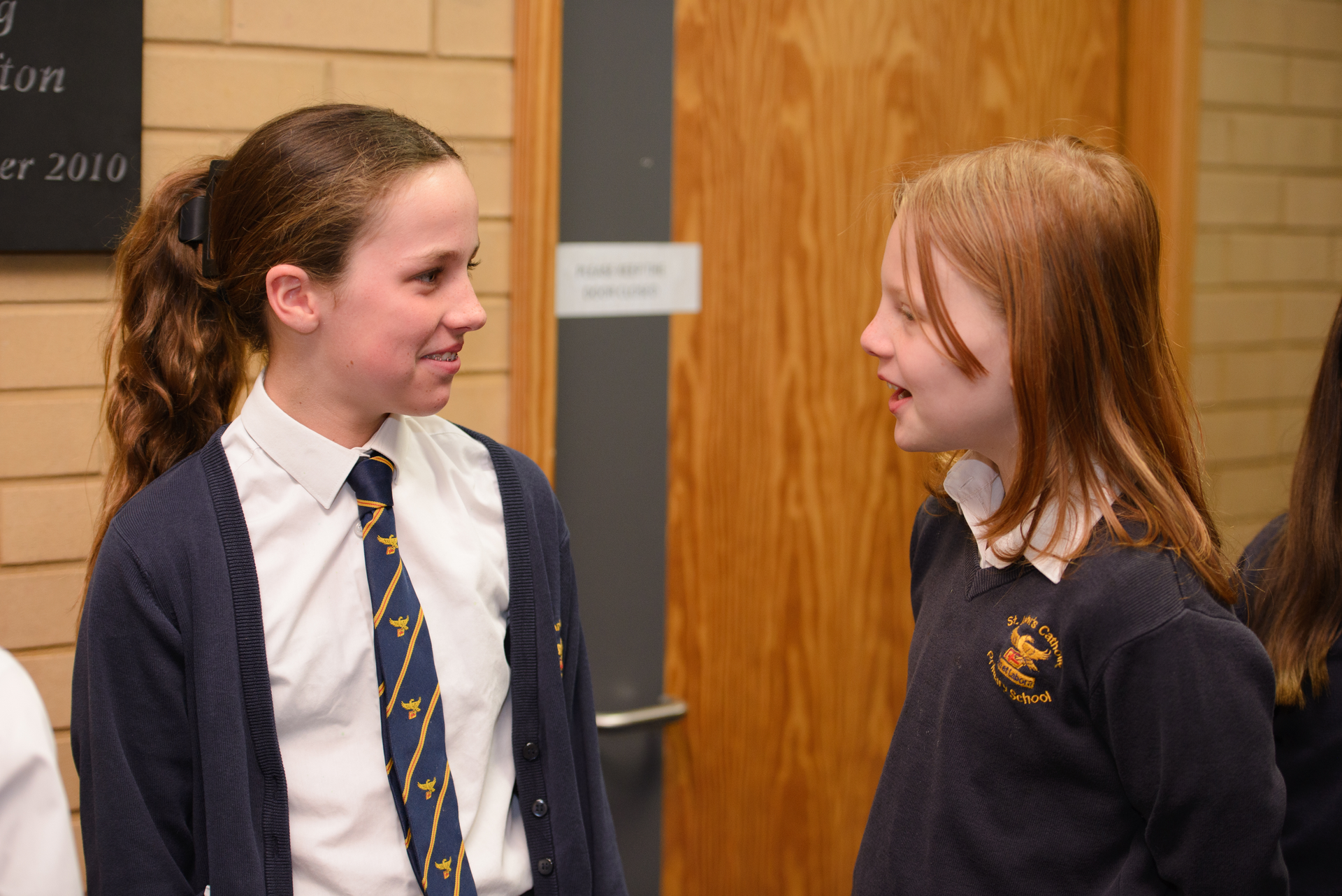
Performing our poetry aloud with actions.
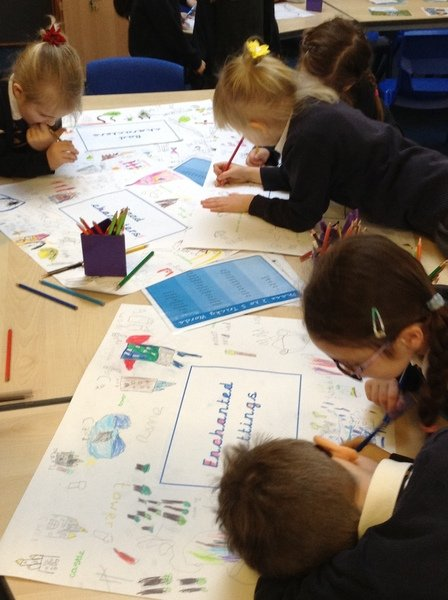
Working in groups to plan our traditional tales
Workshops and Information Meetings for parents:
17/10/22 - Reading Meeting for KS1 Parents - PowerPoint & Notes
Online resources to support children at home:
https://www.phonicsplay.co.uk -This supports EYFS and Year 1 children with their phonics learning.
https://www.topmarks.co.uk - Year 1 and Year 2 phonics, writing, spelling and grammar games for computers and tablets.
Common Exception Words - Year 1 and Year 2 words in which the English spelling rules work in an unusual or uncommon way.
Handwriting Patter - Pre Cursive - The patter spoken with each letter formation as it is taught
SPAG Glossary - A useful list of spelling, grammar and punctuation terms and their meanings
https://home.oxfordowl.co.uk/reading/free-ebooks/ - A free eBook library for children aged 4-11 years old to support reading at home